
Start Your Transition
Partner Organizations
If you enroll in a farm-transition program through a Farmer Toolkit partner organization, you will have access to additional resources: crop profiles, how-to guides for converting animal-farm infrastructure for plant production, enterprise budgets, webinars, hands-on learning opportunities from consultants and other experts in various plant industries, and more. Each partner offers unique transition services for farmers. To receive help with your transition from one of our partner organizations, contact them directly through their website.
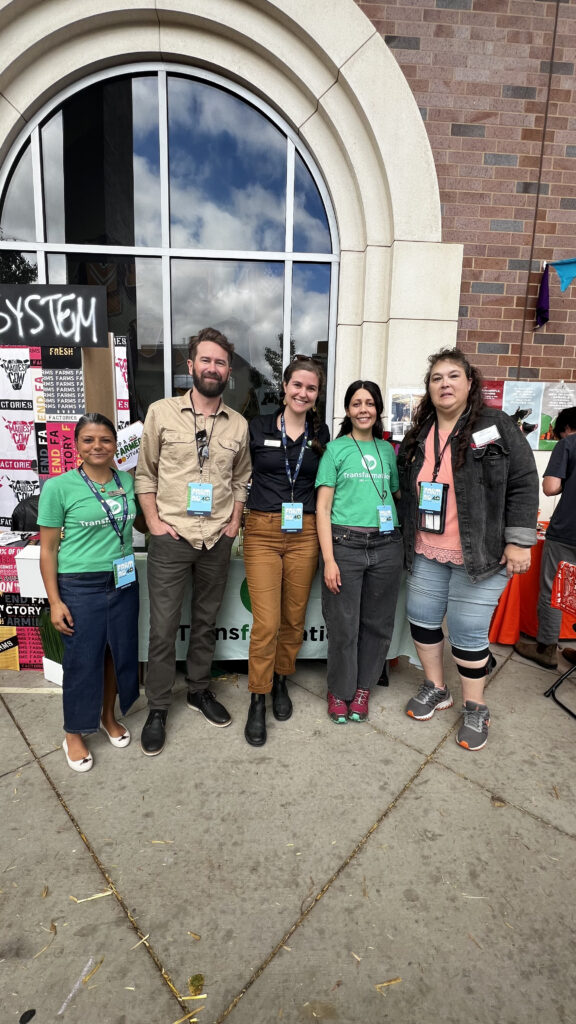
Transfarmation™ works with farmers to solve the problems of factory farming, also known as industrial animal agriculture. Our program provides farm transition support through technical assistance and grant funding for farmers interested in shifting to specialty crop production. Our work catalyzes broader food systems change through powerful storytelling, policy advocacy, and collaboration.
Contact us by submitting your information through our website form.
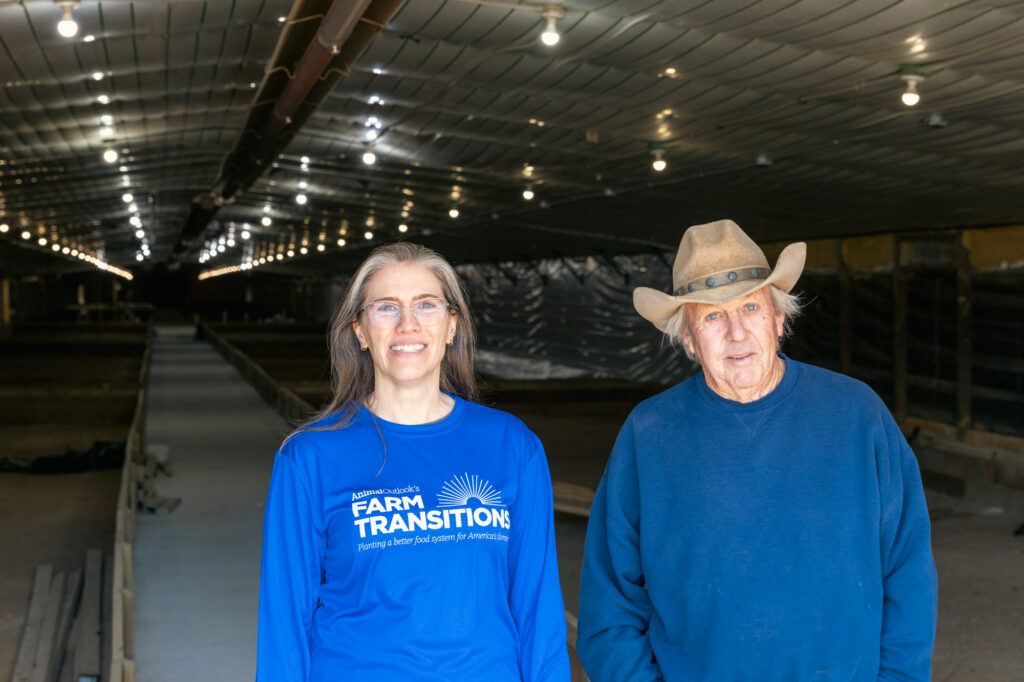
Animal Outlook is a nonprofit organization with a mission to build a better tomorrow for all animals. Our Farm Transitions Program aims to provide farmers with a comprehensive, sustainable, and holistic approach to exiting animal agriculture and entering a profitable, alternative plant-focused farming system. We are currently working with poultry farmers and small dairy farmers. We work closely with farmers to provide personalized, hands-on help from start to finish.
Email contact: [email protected]
Conversion Guides & Resources
Transfarmation Conversion Guides
The Transfarmation Project publishes conversion guides for poultry and hog barn conversions for indoor specialty mushroom and specialty crop production under their “Farmer Resources” page.
University of Delaware Poultry House Conversion Resources
The University of Delaware has developed resources for poultry-house conversion in response to a national trend of converting warehouse-type structures into facilities for vegetable production and to the growing interest in repurposing former poultry houses. These resources include the Remediation of Abandoned Poultry Houses guide, the article “Converting Poultry Houses into Indoor Growing Facilities,” and an impact statement on converting poultry houses into indoor growing facilities.
Additional Farm Transition Programs and Support
Farmland Commons
The Farmers Land Trust explores a new kind of land trust, called a commons land trust. Their website overviews the model and structure of a farmland commons and the importance of connecting local and national nonprofits to provide a durable framework to support the individual farm, local community, and national network.
Growers Unite
Growers Unite serves as a voice for contract farmers, connecting them to one another to build back power against a predatory industry. This website includes resources for current contract farmers and information for anyone considering entering contract farming.
Jubilee Justice
This farm operates out of Louisiana as the region’s only black-owned certified organic farm. Their innovative flagship program focuses on organic, climate-friendly specialty rice through a System of Rice Intensification (SRI), a no-till regenerative approach to sustainable rice cultivation. Jubilee Justice operates as a farmer co-op model across the southeastern United States, open to black farmers and farmers of color. New farmer inquiries are screened based on their openness to joining a farmer co-op and an understanding that this type of farming is labor-intensive. Farmers are not required to own their own land and can start with as little as a quarter of an acre.
Socially Responsible Agriculture Project
This organization, referred to as SRAP, works to protect rural communities, farmworkers, public health, the environment, and animals from the harms of industrial agriculture. SRAP provides resources for current and former contract growers, as well as important considerations for those interested in becoming contract growers. Their contract grower resource guide offers help or referrals for farmers struggling in the system regarding their rights under the Packers and Stockyards Act, contract and loan issues, legal matters, and transitioning to other types of farming.
Stockfree Farming
This farmer-founded organization is committed to helping farmers adapt and thrive. While the organization is Scotland-based, their list of 100 stock-free initiatives provides an excellent starting point for farmers anywhere seeking alternatives to livestock farming. They provide multiple case studies highlighting each of the three paths toward stock-free farming: growing crops for human consumption, restoring native trees and ecosystems, and starting diversification enterprises.